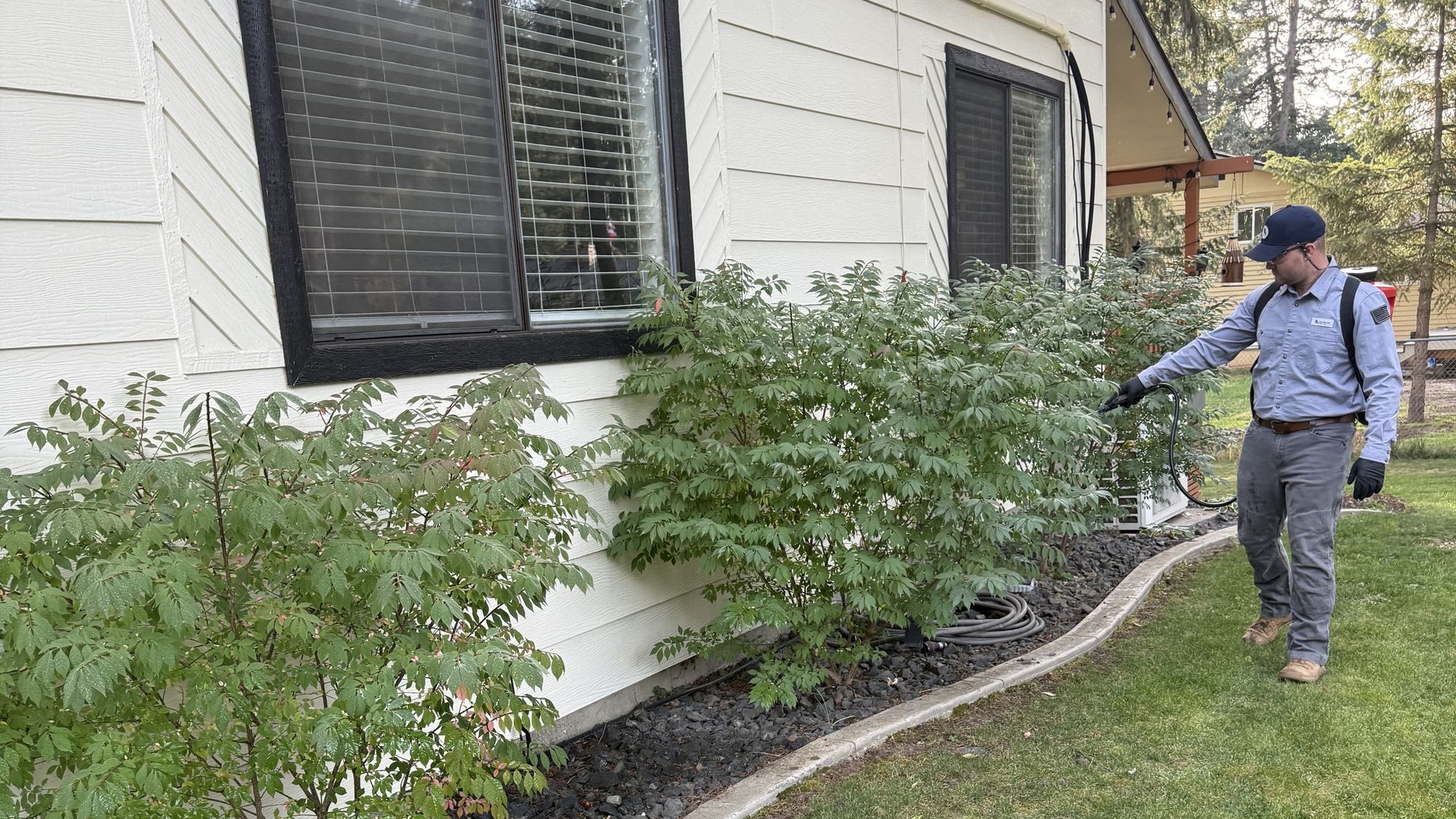
Roof Rats Moving Indoors in LA
Roof rats moving indoors is an early-November pattern in Los Angeles and the San Fernando Valley. See the attic signs and what to seal first.
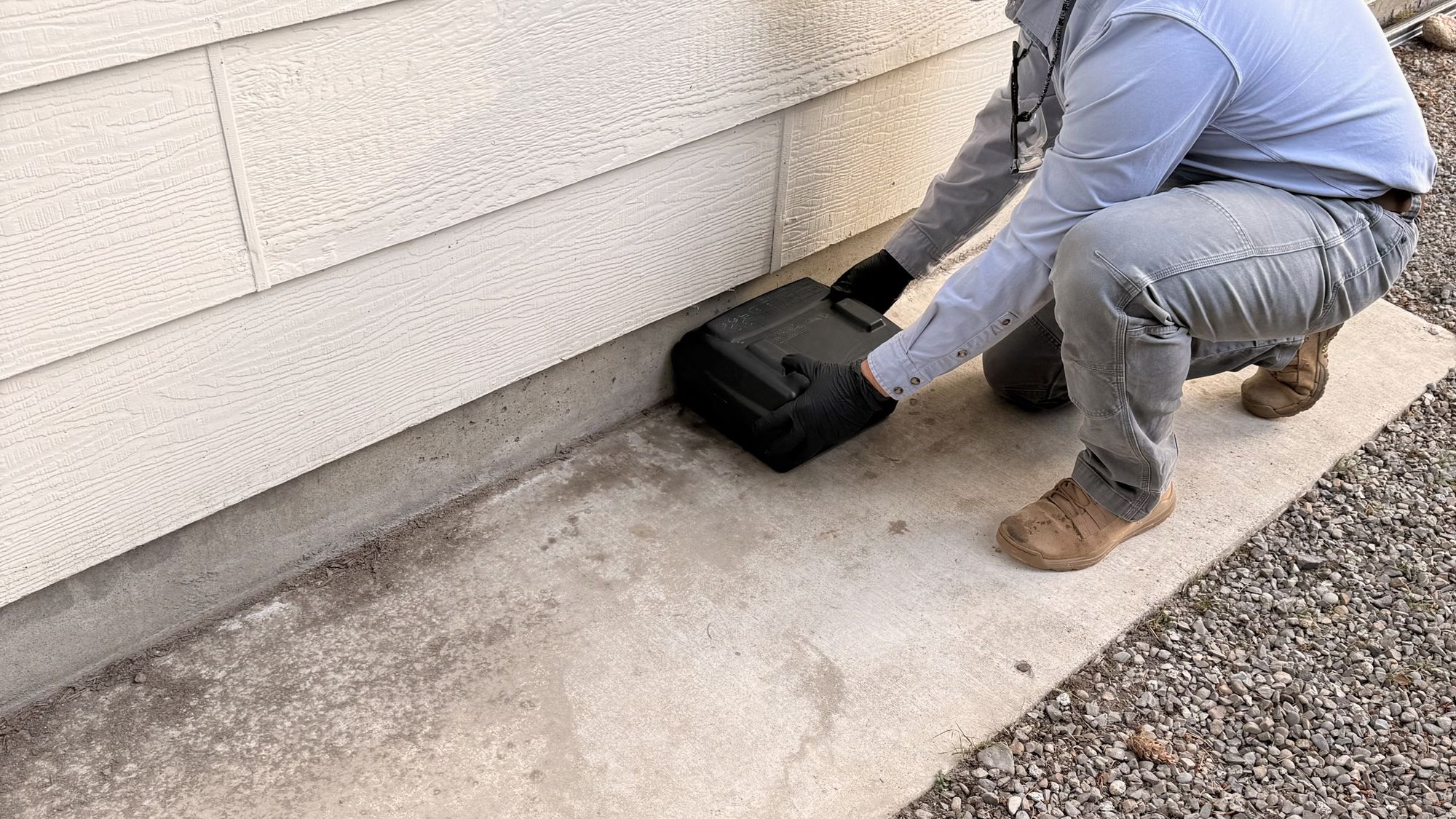
Early November is when a lot of Los Angeles homeowners first hear scratching above the ceiling. Afternoons can still feel mild, especially in the San Fernando Valley, but the nights cool off. Fruit that carried rats through summer is less constant, and animals that lived in the yard start testing the house.
Roof rats moving indoors is a seasonal shift, not one cold night. They do not hibernate here, so they stay active all winter and change where they sleep and feed. Close the openings they are using now and you are less likely to share the attic in January.
This is the indoor half of the problem. Fruit trees, palms, and ivy are covered in roof rats in Los Angeles yards.
Why November pushes them toward the house
A roof rat is a climber: slender, dark, with a tail longer than its body. It runs fences, utility lines, palms, and tree limbs, then nests in the attic or a wall void. Norway rats are heavier and stay near the ground. The animal in an LA ceiling is usually a roof rat.
Three things line up at the start of November.
The attic becomes useful. A roof that was too hot to nest in during September holds warmth after sunset. The Valley cools more overnight than the coast. Van Nuys, North Hollywood, Sherman Oaks, and Burbank can have a mild afternoon and a night in the 50s the same week. Rats are trading exposed cover for a spot above the ceiling, not fleeing a freeze.
Yard food gets less reliable. Much of the soft summer fruit is finished. Citrus and avocados may still be hanging, and rats will keep using them, but pet food left outside, bird seed, and overnight trash matter more. When the easy meal is closer to the wall, the nest moves closer too.
The way onto the roof is still there. Ivy, palm skirts, woodpiles, and block walls do not disappear in November. From the roof, a rat only needs a gap. An opening about half an inch wide — beside a pipe, at a torn vent, or where the fascia has pulled away — is enough.
A house with fruit, dense cover, or an open eave is more likely to hear activity now than in August. Not every home gets rats.
Signs the activity is overhead
They are active at night. In November, watch for:
- Scratching or running after dark, often in the first hours of the night, along the ceiling or in a wall that backs onto the eaves
- Droppings about half an inch long, pointed at the ends, on attic boxes, insulation, or a garage shelf
- Grease marks where fur rubs a beam, a pipe, or the edge of a hole they use every night
- Gnawed bags of pet food, bird seed, or stored food
- A musky smell in a closed attic or garage closet that was fine all summer
- A pet staring at one spot in the ceiling
A dropping or two in the garage can be a rat passing through. Droppings plus night noise overhead usually means a nest. Look in the attic before you set a trap under the sink. The kitchen is where you notice the problem. It is rarely where they live.
Where they get in
Walk the outside in daylight and look up.
Branches and palms. A limb on the roof, or a palm skirt on the eaves, is a bridge. A few feet of clear space breaks it. If the tree is why they are up there, the yard steps in roof rats and fruit trees are the other half.
Vents and screens. Roof vents, gable vents, and attic fans are common openings when the screen is torn. A screen that looks fine from the driveway can have a hole at one corner.
Pipes, cables, and the eaves. Check where a line enters the wall and where the roof meets the fascia. You want any hole you could push a fingertip into. Stucco hides these as well as wood does.
The garage. Rats pause behind a water heater or under stored boxes before they settle overhead. An open bag of seed makes that stop worth repeating.
Brush makes the trip to the roof shorter. In Burbank that edge is the Verdugo side, which is why fall attic noise comes up on the Burbank pest control page. A flat Valley lot with citrus can have the same problem. There the route is the tree.
What is worth doing this weekend
- Take away the easy food. Pick up fallen fruit, bring pet bowls in at night, and store pet food and bird seed in containers with a tight lid. Close the trash.
- Separate plants from the roof. Trim branches off the roof and the fascia. Clear a palm skirt that hangs on the eaves if you can do it safely.
- Close the obvious holes. Replace a torn vent screen, or cover a pipe gap with hardware cloth. Steel wool alone is not a lasting repair. Rats pull it out.
- Pull cover off the wall. Move firewood and thin ivy along the foundation.
- Look in the attic once. Note droppings, torn insulation, and openings. Those are the spots to point out if you call.
Skip loose bait in the attic. A rat that dies in a wall is hard to reach, and pellets a child or pet can get to are a separate risk. Traps and exterior stations only hold after the openings are found.
Why one kitchen trap does not finish it
Catching a rat feels finished. If the gap at the eave is still open, the next rat follows the same rub marks back in, and trapping without sealing becomes a monthly chore.
Find the ways in, close them, remove the rats already inside, and check again so a chewed screen or a branch that grew back does not restart it. That is the work on our rodent control page: inspect the attic, roofline, and exterior, then exclude and follow up instead of leaving one trap under the sink.
If you are hearing activity this week, call Lion Gate at (818) 353-4800. Say whether the noise is in the attic or the walls, and whether fruit trees or palms touch the roof. You can send the same note through the contact page. We work across Los Angeles and the San Fernando Valley, including the areas on the Valley service area page.
Early November is a practical time to close the house. The rats are moving. The openings they test now are the ones they will use for the rest of the cool season.